How much does a builder's website cost?
5 min read
Between £500 and £2,000 as a one off for a small building firm, or £15 to £120 a month if it is built and looked after on a subscription. At the top end an agency will quote £3,000 upwards, and for most builders that is money spent on process rather than on the website.
For scale: the architect’s drawings on a single extension run £350 to £950, and the extension itself averages £48,000. The website costs about the same as the drawings and it works on every job you quote for, not one.
What you are actually paying for
Price differences between builders’ websites come down to four things.
Who writes it. A template filled in with your details takes an afternoon. A site written around the jobs you actually do, in the words homeowners search for, takes a few days and is the reason one ranks and the other does not.
Whether anyone did the search work. “Builder” is unwinnable. “Loft conversion [your town]” is not. Someone has to work out which searches you can realistically win before a word is written, and plenty of cheap sites skip it entirely.
Photos. Your own jobs, shot properly and compressed so the page still loads on a phone in a van. Stock images of somebody else’s kitchen do the opposite of what you want.
What happens afterwards. A site nobody touches for two years slides. Hosting, security, a monthly Google post, changes when your services change. This is the bulk of what a monthly fee buys and it is the part most one off quotes leave out.
The going rate, and what sits behind it
| What you buy | Typical UK cost |
|---|---|
| Template site you build yourself | £15 to £30 a month, plus your weekend |
| Freelancer, one off build | £500 to £1,500 |
| Small studio, built and maintained | £15 to £120 a month, sometimes with a build fee |
| Agency | £3,000 to £10,000, plus a retainer |
Picsel sits in the third row. £299 to build, then £15 a month for hosting and security, £29 a month if you want changes made for you, or £99 a month for the first three months and £179 after that if you want us actively working on getting you found. Numbers on the prices page.
“I get all my work from word of mouth”
Most builders do, and it is the best way to get work there is. A website does not replace it. It stops it leaking.
Here is what actually happens. Someone recommends you to a neighbour. The neighbour has your name and your number and nothing else, and they are about to let a stranger work on their house for three to six months. So they look you up. If they find a Facebook page whose last post was 2023, or a Checkatrade profile that helpfully shows them two other builders on the same screen, the recommendation you earned starts competing with people who did nothing to earn it.
I ran a house clearance company before I did this. Every job came from word of mouth or from our own website, and the two were not separate things. Word of mouth got us named. The website was what people found when they went and checked.
That is what a builder’s website is for. Not leads. Confirmation.
What a builder’s site needs that other trades do not
Previous jobs, in volume. A homeowner spending £48,000 wants to see twenty jobs, not three. Before and after on the same extension does more work than any paragraph you could write.
How long you have been going. A firm that has been trading since 1975 should say so in the first screen. It is the single strongest thing a long standing builder owns and it is free.
Separate pages for separate jobs. Extensions, loft conversions, garage conversions, new builds and renovations are different searches by different people with different budgets. One “Services” page trying to catch all five catches none.
The awkward questions answered. How long will it take, what happens if it overruns, do you handle building control, do you use your own trades or subcontract. Every homeowner wants to ask and most are too polite. Answer them on the page and you will spend less time on the phone with people who were never going to book.
Somewhere for the reviews to live. Copy them onto your own site rather than leaving them on a platform you do not control.
What a very cheap site actually costs
The £99 and free builds usually recover the money somewhere else. Three things worth checking before you sign anything.
Who owns the domain. If it is registered in their name and you leave, you lose your web address, and any ranking attached to it. Ask to be listed as the registrant. If the answer is complicated, that is the answer.
Whether you can leave. A twelve month term is reasonable. Automatic renewal you have to give ninety days notice to escape is not.
What a change costs. Some cheap builds are cheap until you want a phone number updated, and then it is £75 and a fortnight.
Questions worth asking before you pay anyone
- Will I own the domain name?
- What exactly happens if I want to leave, and when?
- Which searches are you building this to win?
- What does a change cost me after launch?
- Can I see a site you built for a builder, live?
Any of those getting a vague answer tells you more than the price does.
If you want it done for you
Picsel builds websites for building firms anywhere in the UK. £299 to build, then from £15 a month, and live in days.
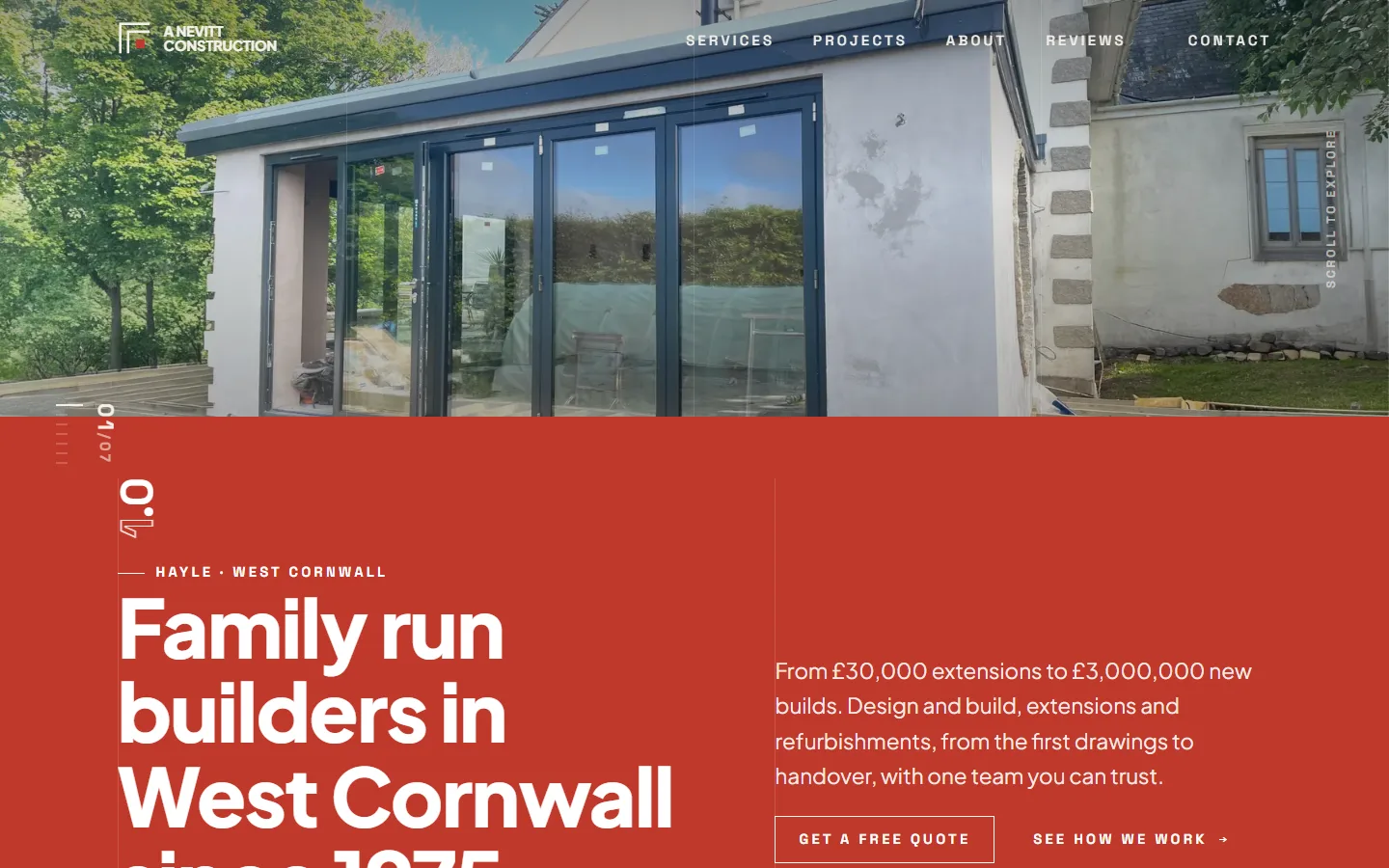
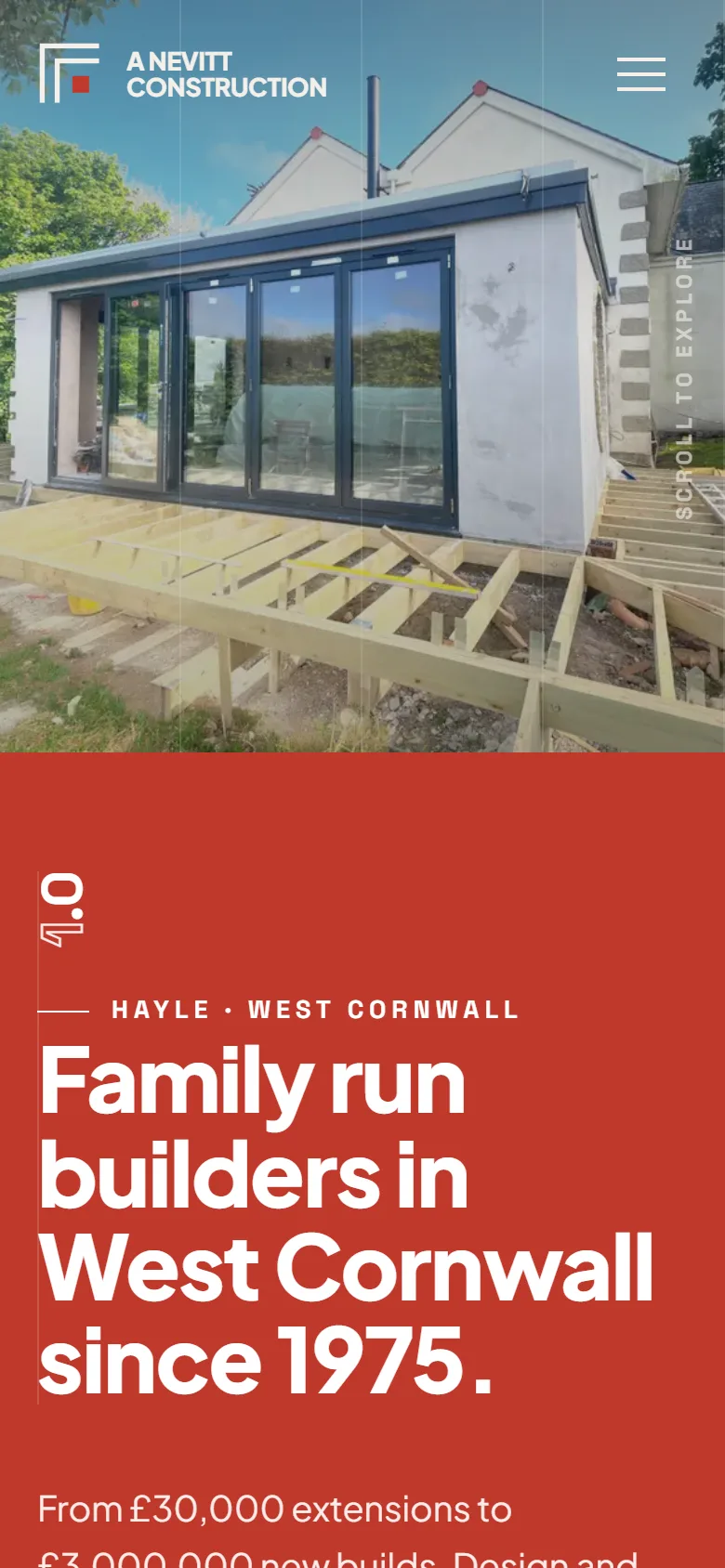
Call Ben on 07456 809049 or send a message. Have a look at A Nevitt Construction, a family firm going since 1975.
More on what a website costs across the trades, or what is included on the websites for tradespeople page.
Common questions
Is a website worth it if I am already busy?
Being busy is when to build one, because search takes three to six months to do anything. A site built in a quiet month is already too late for that quiet month. The other reason is that a website changes which jobs you get offered rather than only how many. A firm that shows twenty finished extensions gets asked to quote for extensions. A firm with a phone number gets asked for anything.
Should I just use Checkatrade instead?
If your customers use Checkatrade, it is a reasonable place to be, and plenty of builders get real work from it. Worth knowing what it is though. It puts you in a list next to your competitors, the profile belongs to them and not to you, and it does not publish what it charges, so you cannot compare it against anything until you have rung them. Most builders end up doing both, and the site is the half you own.
What about Wix or Squarespace?
If you enjoy that sort of thing and have a free weekend, they work, and £20 a month is honest value. Most builders never finish. The site sits at 80% done for a year with placeholder text still on the about page. The question is not whether the tool is any good, it is whether you are going to spend the weekend.
How long does a builder's website take to build?
Days rather than months, if whoever is building it is organised. What holds it up is almost always photos. Have thirty pictures of finished jobs on your phone ready to send and the whole thing moves quickly.
Will it get me to the top of Google?
Not on its own, and anyone promising that should worry you. A new site takes months before positions move, and it moves in an order: you get seen, then you climb, then you get clicks, then you get calls. Where a website earns its money quickly is the person who already has your name and is checking you out.